The quiet confirmation arrives not with a scandalous exposé or a trove of 𝓵𝓮𝓪𝓴𝓮𝓭 documents, but with the gentle, unwavering voice of a daughter reflecting on her father’s legacy. Twenty-eight years after the death of Roy Rogers, the man known to millions as the King of the Cowboys, his daughter has finally addressed the question that lingered in the hearts of fans and critics alike: was the wholesome, virtuous persona a carefully constructed facade, or was it the genuine reflection of the man himself? The answer, delivered with a sense of quiet certainty, is that the image was real.
In an era defined by cynicism and the constant unmasking of public figures, this revelation stands as a powerful counter-narrative, suggesting that sometimes, the hero on the screen is indeed the hero in real life.
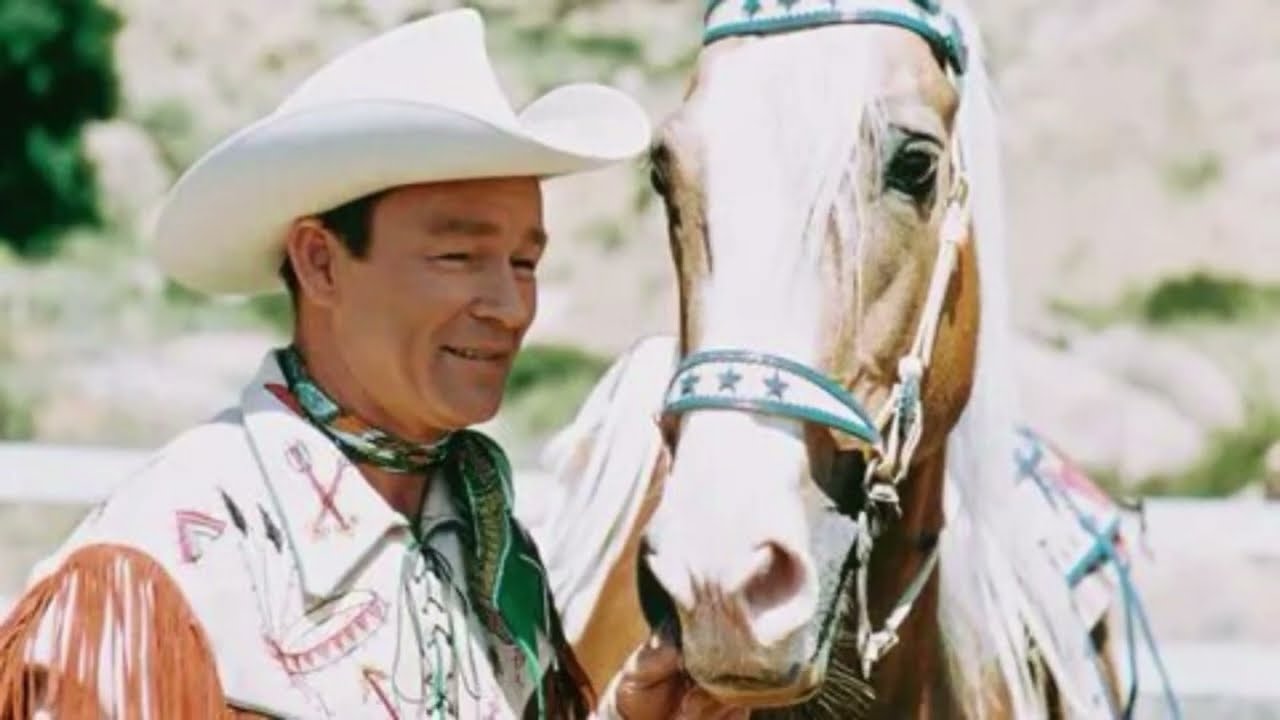
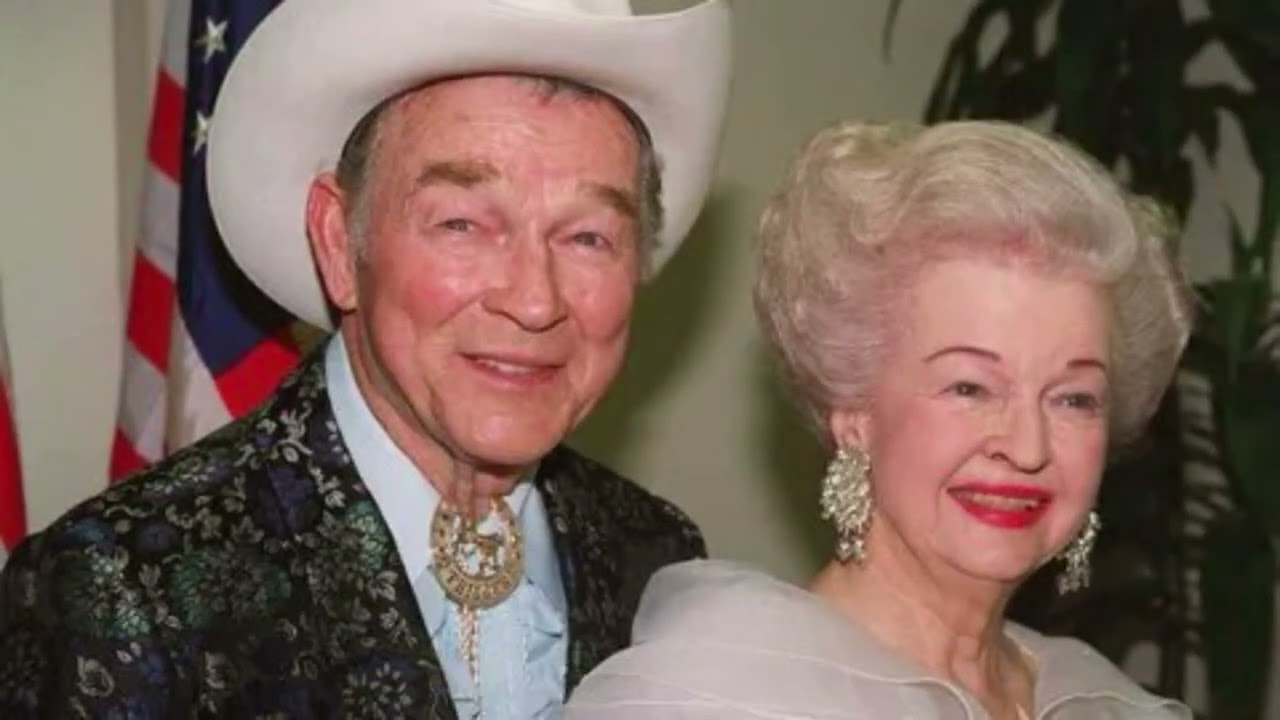 The confirmation arrives as a balm for a generation that grew up watching Rogers ride across the plains on his faithful horse, Trigger, his white hat a symbol of moral clarity in a complicated world. For decades, the public grappled with a nagging suspicion that no one could be that good, that kind, or that consistent. Hollywood, after all, is a factory of illusions, where personas are manufactured and the private lives of stars often contradict their public images.
Yet, the testimony from those who knew him best paints a portrait of a man who was not performing, but simply being. His daughter’s words cut through the noise of modern celebrity culture, offering a rare and precious glimpse into a life where the values preached on screen were practiced in the quiet, unobserved moments of everyday existence.
Born Leonard Franklin Sly on November 5th, 1911, in Cincinnati, Ohio, Roy Rogers’ journey to stardom was paved with the grit and hardship of the American experience. His family knew financial struggle intimately, and the lessons of that early poverty never left him. He learned that nothing was guaranteed, that survival required resilience, and that a man’s worth was measured by his work ethic, not his words.
This foundation of humility would become the bedrock of his character, shaping a man who was remarkably unspoiled by the immense fame that would later engulf him. He did not seek the spotlight for its own sake; instead, he carried a quiet determination and a natural kindness that made him a beacon for those around him, long before the cameras ever started rolling.
The narrative of Roy Rogers is often told through the lens of his iconic career—the films, the television shows, the chart-topping songs, and the legendary partnership with his horse, Trigger. But the story that his daughter tells is one that transcends the glitz and glamour of the entertainment industry. It is a story about a father who remained grounded despite extraordinary success, a man who treated the janitor on the studio lot with the same respect he offered to the studio executives.
This consistency of character, the refusal to let fame corrupt his core values, is what his daughter emphasizes. It is a testament to a man who understood that his platform was not a license for arrogance, but an opportunity for service.
For years, fans have wrestled with the cognitive dissonance of loving a public figure while suspecting that the persona is a lie. The pressure on Roy Rogers was immense; he was a role model for millions of children, a trusted figure for parents, and a dependable asset for sponsors. His reputation was a cultural commodity, and the weight of that expectation could have crushed a lesser man.
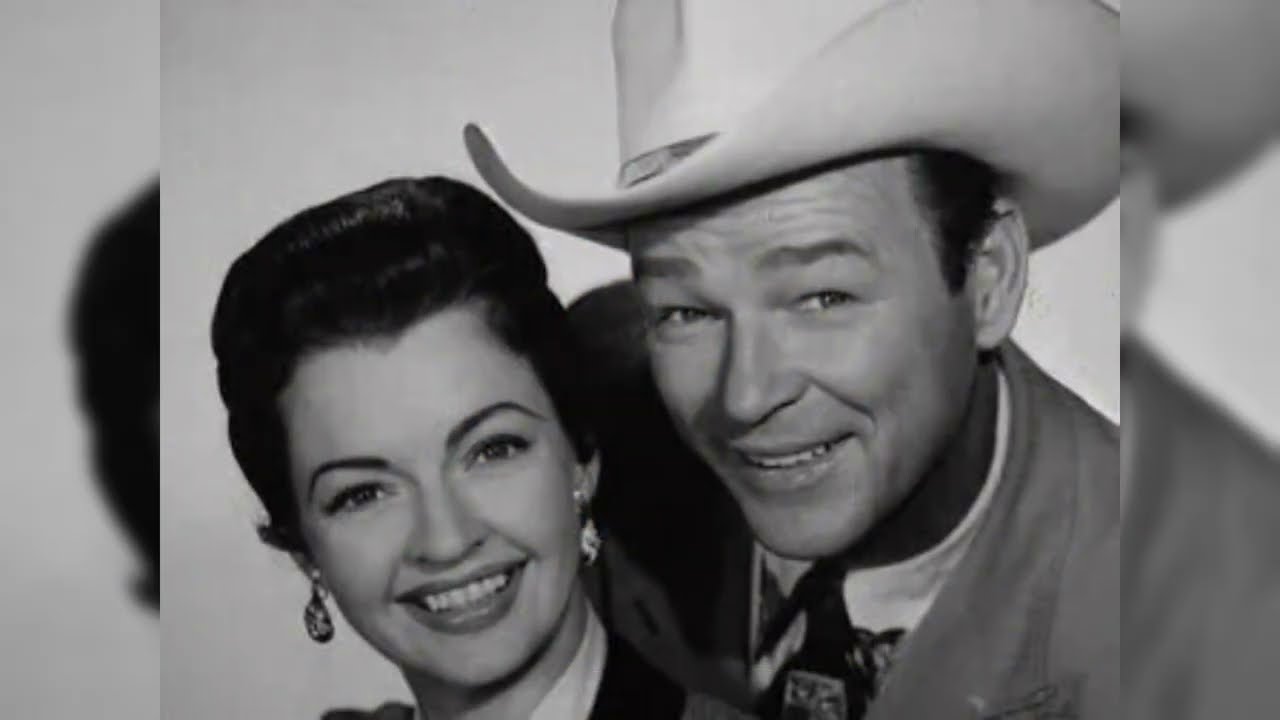 Yet, the stories that emerge from his inner circle are remarkably consistent: tales of respect, humility, patience, and generosity. These were not qualities he turned on for the cameras; they were the very fabric of his being, woven into his character through a lifetime of discipline and faith.
The emotional depth of this confirmation is amplified when considering the personal tragedies that Roy Rogers endured away from the public eye. His life was not a fairy tale; it was punctuated by profound loss and heartbreak. He buried a child, a grief that would have shattered many, and faced numerous other challenges that tested his spirit.
Those closest to him observed that he carried this pain with a quiet dignity, never allowing bitterness to take root in his heart. This resilience, this ability to transform suffering into compassion, is perhaps the most profound evidence of his authentic character. It is one thing to be kind when life is easy; it is another to remain kind when life is brutally difficult.
His daughter’s reflections serve to humanize a figure who had become a symbol, bringing the man back into sharp focus. She speaks of a father, a husband, and a friend who was not perfect, but who consistently strived to do the right thing. This is not a story of flawless sainthood, but of a man who understood his own fallibility and worked every day to overcome it.
In a world that is all too ready to tear down its idols, the revelation that Roy Rogers was exactly who he appeared to be is not just a relief; it is a radical and comforting statement about the possibility of authenticity.
The cultural significance of this confirmation cannot be overstated. We live in an age where the public expects 𝒔𝒄𝒂𝓃𝒹𝒶𝓁, where the private lives of celebrities are dissected for any hint of hypocrisy. The default assumption is that the image is a mask, and the truth is something darker.
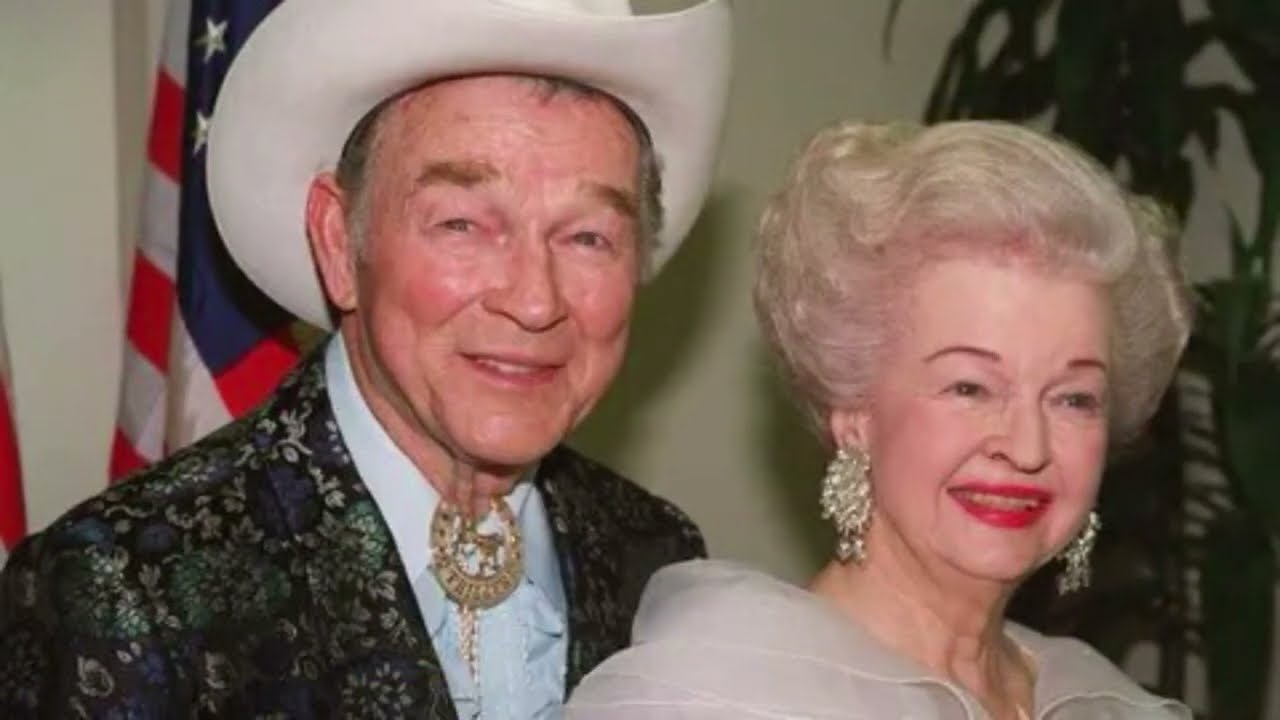 Roy Rogers’ story flips that narrative on its head. The truth, in his case, was reassuring. The man who preached honesty was honest.
The man who promoted kindness was kind. The man who spoke of faith and family genuinely valued both. This alignment between public persona and private reality is a rare commodity, and its confirmation offers a sense of hope that integrity is not an extinct virtue.
When Roy Rogers passed away in 1998 at the age of 86, the nation mourned the loss of a performer, but more profoundly, it mourned the loss of an ideal. He represented a certain vision of American masculinity—strong, yet gentle; confident, yet humble; a man of action, yet a man of deep feeling. His daughter’s words ensure that this ideal is not lost to history.
They remind us that the legacy of a person is not defined by their accolades, but by the memories they leave in the hearts of those who knew them best. And those memories, according to his family, are filled with the quiet, consistent presence of a man who lived his values every single day.
The story that has emerged in the years since his death is almost the antithesis of the typical celebrity posthumous revelation. There are no hidden affairs, no secret addictions, no double lives. Instead, the truth is that the cowboy was real.
The man who wore the white hat was, in fact, the good guy. This simplicity is what makes the story so powerful. It challenges the pervasive cynicism of our time, suggesting that we are not all doomed to be disappointed by our heroes.
 It allows a new generation to look back at the legend of Roy Rogers and understand that his appeal was not based on a clever marketing strategy, but on a genuine, lived truth.
Perhaps the most enduring lesson from this confirmation is a redefinition of what constitutes a meaningful life. Roy Rogers’ greatness was not solely measured by his box office receipts or his record sales, but by the character he displayed when no one was watching. The final measure of his life, as his daughter suggests, is the testimony of those who knew him when there was nothing left to gain—no contracts to renew, no headlines to chase, no cameras to perform for.
In those quiet moments, he was the same man. This is the legacy that truly matters, a legacy built not on fame, but on the quiet, unshakeable foundation of a good heart.
The confirmation from his daughter is not a 𝓈𝒽𝓸𝒸𝓀𝒾𝓃𝑔 revelation, but a gentle affirmation of a belief that many fans held for decades. It is an emotional moment because it validates a kind of faith that is often ridiculed in modern discourse. It says that it is okay to believe in heroes, that it is not naive to expect authenticity from public figures.
The story of Roy Rogers, as told by his daughter, is a story about the power of consistency, the strength of humility, and the enduring value of a life lived with integrity. It is a story that resonates deeply because it speaks to a universal longing for truth in a world that often feels full of deception.
In the end, the horse, the movies, and the fame were never the whole story. They were the vehicles through which Roy Rogers delivered his message, but the message itself was his life. The real story is the man underneath the white hat, a man who, according to those who knew him best, was exactly who we hoped he was all along.
This confirmation, arriving 28 years after his passing, is not just a tribute to a legendary entertainer, but a testament to the enduring power of a life well-lived. It is a reminder that the most profound legacies are not built on what we achieve, but on who we are.