For decades, they were one of television’s most unforgettable comedy partnerships.
Johnny Carson.
The elegant king of late-night television.
Calm.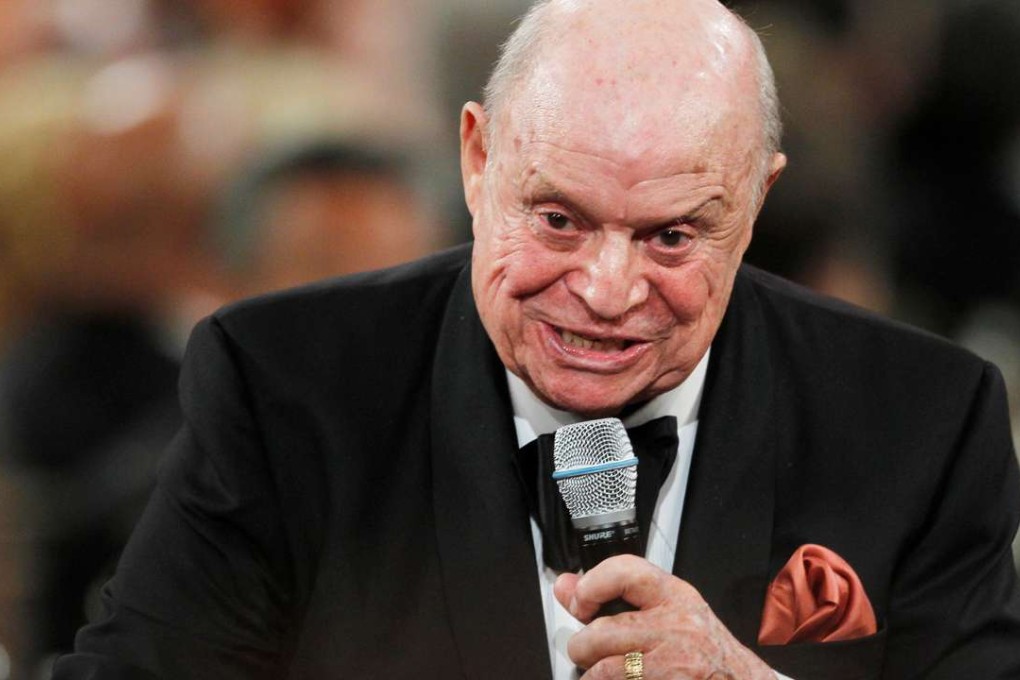
Controlled.
Always perfectly timed.
And Don Rickles.
The unpredictable insult comic.
Loud.
Fearless.
Merciless.
A man who could walk onto The Tonight Show, insult the host, attack the audience, and somehow leave everyone laughing.
Together, they created television magic.
But behind the laughter was a relationship far more complicated than audiences realized.
There was admiration.
Professional trust.
Unforgettable moments.
And the emotional distance that often surrounded Johnny Carson’s private life.
For years, viewers assumed that the two men were inseparable friends.
But the reality of their relationship raises a fascinating question.
How close can two people become when millions watch them laugh together, but one of them keeps much of his private world carefully guarded?
To understand that question, you have to return to a time when late-night television belonged almost entirely to one man.
The King of Late Night Meets Hollywood’s Most Dangerous Comedian
By the mid-1960s, Johnny Carson had become the defining personality of American late-night television.
He took over The Tonight Show in 1962.
His style was unlike the loud, aggressive comedy that dominated many nightclubs.
Carson was polished.
Quick.
Understated.
He could destroy a joke with a raised eyebrow.
He could rescue an awkward interview with a perfectly timed remark.
And he understood that sometimes the funniest thing a host could do was remain silent.
Then Don Rickles entered his world.
Rickles had spent years developing his act in nightclubs.
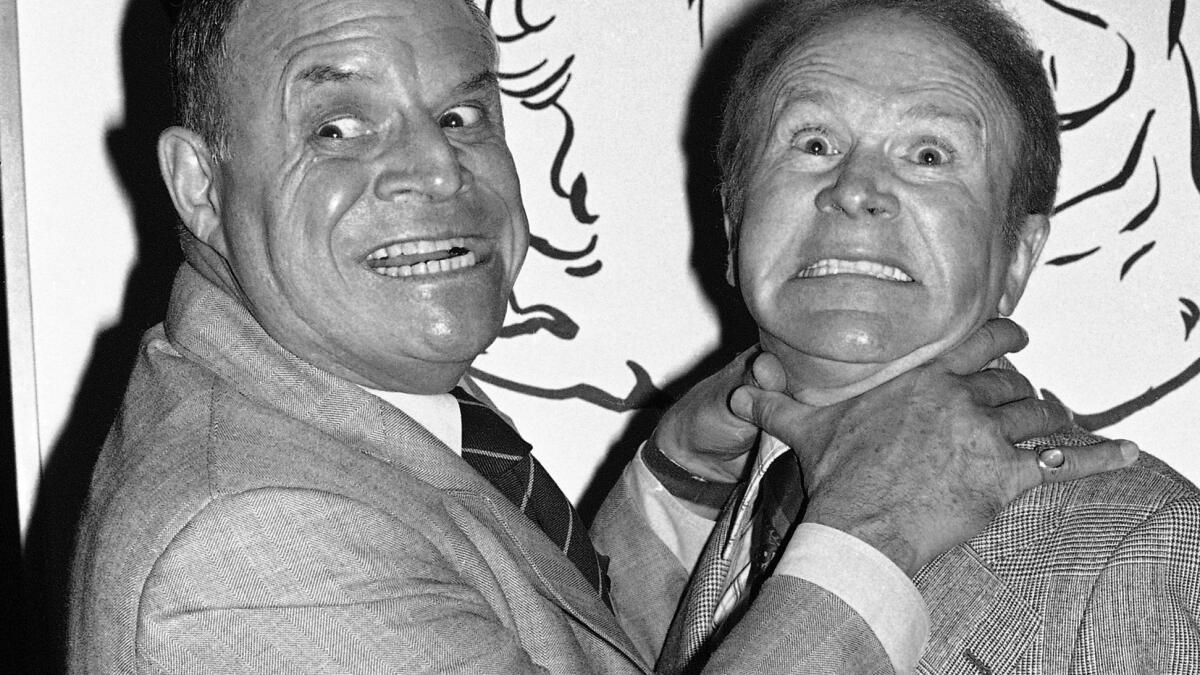
His comedy was built around confrontation.
He insulted people.
He challenged celebrities.
He mocked appearances, professions, and personalities.
But beneath the aggression was a crucial understanding.
The audience had to know he was performing.
His insults worked because he could make hostility feel like a strange form of affection.
When Rickles began appearing on Carson’s Tonight Show in the 1960s, the contrast was extraordinary.
Carson represented order.
Rickles represented chaos.
Carson would attempt to maintain the interview.
Rickles would dismantle it.
And audiences loved every second.
The two men discovered something that comedians spend entire careers searching for.
Perfect chemistry.
The Insults That Made Television History
Rickles treated Carson differently from almost every other television host.
He did not approach him with excessive reverence.
He did not behave as though Carson’s status made him untouchable.
Instead, Rickles attacked the very image that made Carson famous.
His polished appearance.
His authority.
His private personality.
Even his marriages could become material for jokes.
Carson responded with the restraint of a master comedian.
Sometimes he smiled.
Sometimes he pretended to be offended.
Sometimes he waited until Rickles had exhausted himself before delivering a devastating comeback.
Their timing was extraordinary.
And their exchanges became some of the most beloved moments in late-night television.
One particularly famous incident occurred in 1976.
Rickles was guest-hosting The Tonight Show when he accidentally damaged Carson’s cigarette box.
The following night, Carson discovered what had happened.
Instead of merely mentioning it on television, he walked across the studio complex and interrupted Rickles while the comedian was filming C.P.O. Sharkey.
The resulting confrontation became legendary.
Carson stormed onto the set.
Rickles tried to explain himself.
The audience roared.
What made the moment unforgettable was that Carson, usually so controlled, suddenly became the aggressor.
And Rickles, the professional troublemaker, found himself on the defensive.
It was a complete reversal of their usual relationship.
That moment has survived for decades because it captured something rare.
Two comedians who trusted each other’s timing enough to make an apparently spontaneous confrontation hilarious.
But television chemistry does not always tell the whole story.
The Man Behind Johnny Carson’s Smile
Johnny Carson was one of the most recognizable men in America.
Millions welcomed him into their homes every night.
He interviewed presidents.
Movie stars.
Musicians.
Comedians.
And some of the most influential figures of his era.
Yet away from the cameras, Carson was famously private.
People who worked with him often described a man who maintained strong boundaries between his professional and personal lives.
He could be warm and generous.
He could also be distant.
He was comfortable entertaining millions of strangers.
But emotional intimacy was not necessarily easy for him.
That contradiction became part of Carson’s enduring mystery.
Audiences felt they knew him.
In reality, much of his private life remained carefully protected.
For Don Rickles, whose comedy depended on pushing past social boundaries, Carson’s reserve presented an unusual contrast.
On television, Rickles could say almost anything to him.
He could mock him.
Interrupt him.
Challenge him.
And receive laughter instead of anger.
But that freedom did not necessarily mean he had unlimited access to Carson’s private world.
The distinction between professional closeness and personal intimacy is central to understanding their relationship.
However, it would be misleading to suggest that Rickles publicly established their bond as a fraudulent friendship.
Their affection and mutual respect were well documented.
What made the relationship unusual was the difference between Carson’s guarded personality and Rickles’ explosive public style.
They connected most visibly through comedy.
And for both men, that connection mattered.
The 1992 Retirement That Changed Late-Night Television
In 1992, Johnny Carson retired from The Tonight Show.
It was the end of an era.
For thirty years, Carson had defined what late-night television looked and sounded like.
His farewell became a major cultural event.
Celebrities paid tribute.
Audiences mourned the end of a familiar nightly ritual.
And NBC faced the enormous challenge of replacing a television institution.
The succession became one of the most famous controversies in entertainment history.
Jay Leno ultimately became the new host.
David Letterman, widely regarded as a potential successor, moved to CBS and launched Late Show with David Letterman.
The conflict surrounding that decision became part of television history.
But the video introduces another, much less substantiated claim.
That Don Rickles expected to inherit Carson’s position and felt personally betrayed when NBC selected Leno.
There is no reliable public evidence establishing that Rickles was a serious contender for the permanent hosting role or that Carson promised him the job.
That distinction is important.
Rickles was an enormously successful comedian.
He was a celebrated guest.
He had hosted and appeared on numerous television programs.
But being one of Carson’s favorite guests was not the same as being positioned to succeed him.
The suggestion that Rickles spent years bitterly resenting Carson over the succession should therefore be treated as an unverified part of the video’s narrative, not an established historical fact.
The real succession dispute centered overwhelmingly on Leno and Letterman.
Rickles’ legacy with Carson was built on something different.
Their remarkable ability to make each other funny.
What Rickles Really Understood About Carson
As the years passed, Rickles became one of the surviving figures who could speak from personal experience about television’s golden age.
He had worked with Frank Sinatra.
Dean Martin.
Bob Newhart.
And countless other major entertainers.
He understood that public personas rarely captured the complete person.
Sinatra could be generous and intimidating.
Dean Martin could appear effortlessly relaxed while maintaining his own emotional distance.
And Carson could make millions feel like personal friends while remaining deeply private.
Rickles knew that show business was filled with these contradictions.
A comedian could appear vicious onstage while being affectionate offstage.
A television host could seem open and familiar while revealing surprisingly little about himself.
The public often confused performance with personality.
Rickles had spent his entire career exploiting that confusion.
His own act depended on audiences understanding that the man insulting everyone was not simply a cruel person.
He was an entertainer using exaggerated aggression to create laughter.
Carson understood that distinction.
That may be why their chemistry was so effective.
Carson never needed Rickles to behave politely.
He understood the act.
And Rickles understood that Carson’s restraint was an essential part of their comedy.
One pushed.
The other resisted.
One exploded.
The other waited.
Together, they created something neither could have produced alone.
The Loss of Johnny Carson
On January 23, 2005, Johnny Carson died at the age of 79.
His death marked the passing of one of television’s most influential figures.
For generations of comedians, Carson had represented the ultimate stage.
An appearance on The Tonight Show could transform a career.
A laugh from Carson could mean more than a glowing review.
And an invitation to sit beside him after a stand-up performance was once considered a major professional endorsement.
Rickles understood that power better than almost anyone.
He had watched Carson shape American comedy for decades.
He had appeared beside him countless times.
And he had experienced the rare freedom of being allowed to challenge the king of late-night television in front of millions.
After Carson’s death, Rickles participated in remembrances of the legendary host.
His admiration was unmistakable.
The video frames these tributes as a moment when Rickles finally found closure after years of resentment.
But the more firmly documented story is one of professional affection and respect.
Rickles understood Carson’s extraordinary ability to support another comedian.
He knew how difficult it was to play the straight man.
And Carson was exceptional at it.
A weaker host might have interrupted Rickles constantly.
Another might have tried to win every exchange.
Carson understood that sometimes the best way to dominate a comedy scene was to let someone else appear to take control.
He gave Rickles room.
He allowed the chaos.
And then, at precisely the right moment, he reminded everyone why he was Johnny Carson.
That generosity helped make Rickles’ appearances legendary.
The Final Years of Don Rickles
Rickles continued performing long after Carson’s retirement.
His career stretched across generations.
He appeared in films.
Television programs.
Comedy specials.
And eventually introduced himself to younger audiences through the voice of Mr. Potato Head in Pixar’s Toy Story films.
It was an extraordinary transformation.
The nightclub comedian who once terrified celebrities with his insults became the voice of a beloved animated toy.
Yet the essential personality remained.
The sharp delivery.
The impatience.
The comic outrage.
Rickles could make almost anything sound funny.
Even as he grew older, his reputation remained remarkably strong.
Younger comedians admired him.
Veteran performers celebrated him.
And audiences continued to recognize him as one of the last great entertainers from an earlier era.
But time was catching up.
Many of the men who had defined his professional world were already gone.
Frank Sinatra died in 1998.
Dean Martin died in 1995.
Johnny Carson died in 2005.
The entertainment landscape Rickles had helped shape was gradually disappearing.
On April 6, 2017, Don Rickles died at the age of 90.
With his passing, Hollywood lost one of its most distinctive comic voices.
And another living connection to Carson’s extraordinary television era disappeared.
The Truth Behind Their Legendary Relationship
So what did Don Rickles really reveal about Johnny Carson?
Not a documented secret betrayal.
Not a confirmed conspiracy surrounding the Tonight Show succession.
And not evidence that their decades of laughter concealed personal hatred.
The deeper truth was about the difference between public chemistry and private personality.
Johnny Carson was a complicated man.
He could be charming.
Generous.
Private.
Reserved.
And difficult for even longtime colleagues to know completely.
Don Rickles was almost his opposite onstage.
Explosive.
Confrontational.
Unpredictable.
Yet the two men understood one another where it mattered most professionally.
In front of an audience.
Their friendship was expressed through timing.
Through jokes.
Through the willingness to let the other man take risks.
And through the shared understanding that comedy sometimes reveals more about people than serious conversation ever could.
That is why their old appearances remain so entertaining.
The jokes still work.
The pauses still matter.
The reactions still feel spontaneous.
And the relationship between the two men remains fascinating.
Carson was the host who seemed impossible to intimidate.
Rickles was the guest who refused to be intimidated by anyone.
Together, they turned that contradiction into television history.
Perhaps the most revealing part of their story is that neither man needed to become like the other.
Carson did not need to abandon his restraint.
Rickles did not need to soften his act.
Their differences were precisely what made them extraordinary.
For decades, audiences watched Don Rickles insult Johnny Carson and wondered how the host could tolerate it.
The answer was simpler than any hidden scandal.
Carson understood Rickles.
He understood the joke.
He understood the performer.
And he understood that a great comedian sometimes needs someone willing to stand still while the entire room explodes around him.
Johnny Carson gave Rickles that freedom.
Rickles gave Carson some of his funniest television moments.
And long after both men were gone, their laughter remained.
Hollywood has produced countless talk-show hosts.
Thousands of comedians.
And more celebrity friendships than anyone could remember.
But very few partnerships have survived in the public imagination the way theirs has.
Because when Don Rickles walked onto The Tonight Show, nobody knew exactly what he would say.
And when Johnny Carson looked back at him with that familiar expression, audiences knew something wonderful was about to happen.
One man made chaos hilarious.
The other made chaos look effortless.
And together, they created a kind of television magic that Hollywood has never quite managed to replace.